


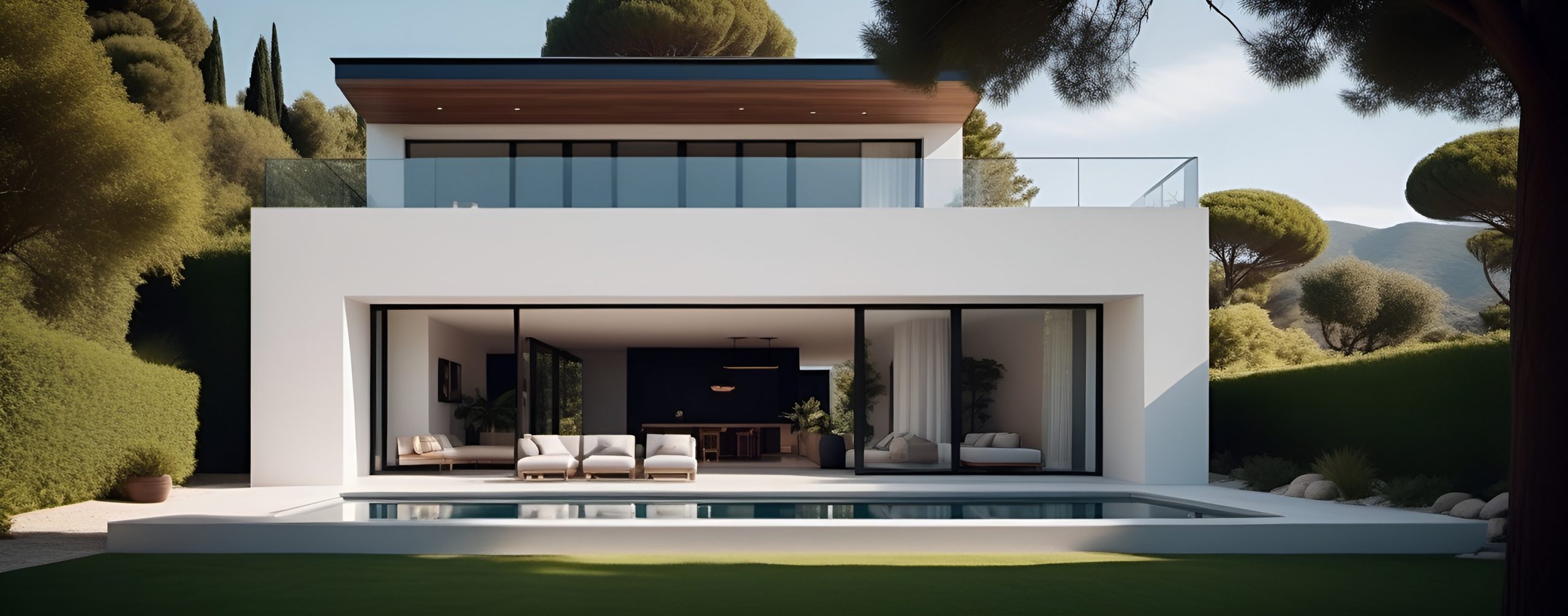
Architecture and the importance of making good design compatible with sustainability
Architecture and design are fields that can have a significant impact on the environment. That's why more and more people are concerned with finding ways to make their home or building more sustainable.
What is sustainable architecture?
Sustainable architecture refers to a design approach that considers the environmental impact of buildings and their complete life cycle, from construction to maintenance and demolition. This means seeking to reduce the use of natural resources, minimize waste and greenhouse gas emissions, and improve indoor and outdoor air quality. It also involves creating designs that are ecologically responsible, socially just, and economically viable.
Why is sustainability important in architecture?
Sustainability in architecture is important for several reasons. Firstly, buildings are responsible for a large amount of greenhouse gas emissions, both in their construction and daily use. By making buildings more energy-efficient, their impact on the environment can be significantly reduced.
Additionally, sustainable architecture has a direct impact on the quality of life of people who inhabit the buildings. Buildings designed with sustainability as a fundamental pillar often have better indoor air quality, more natural light, and a more comfortable temperature, which can have a positive impact on the health and well-being of people and are usually more comfortable, healthy, and safe for occupants.
How can good design be made compatible with sustainability?
The key to making good design compatible with sustainability is to find a balance between aesthetics and functionality. Sustainability does not have to compromise good design. In fact, good design can enhance the sustainability of a project. Key aspects to make good design compatible with sustainability:
1. Integrating nature into the design
Integrating nature into the design can improve the sustainability of a project by reducing environmental impact and improving the quality of life of occupants. Incorporating natural elements such as sunlight, vegetation, and water can improve energy efficiency, reduce carbon footprint, and improve air quality.
2. Using sustainable materials
Choosing sustainable materials can help reduce carbon footprint and minimize environmental impact. Sustainable materials are those that are renewable, recyclable, biodegradable, and have low environmental impact.
3. Maximizing energy efficiency
Energy efficiency is a key component of sustainable design. Maximizing energy efficiency can reduce energy consumption and greenhouse gas emissions. This can be achieved through the use of passive design techniques, such as building orientation, proper insulation, and natural ventilation.
4. Reducing construction waste
Reducing construction waste can help minimize environmental impact and reduce costs. This can be achieved through careful material selection, proper project planning, and material reuse and recycling.
5. Considering design adaptability
Design adaptability can help ensure the long-term sustainability of a project.
Therefore, sustainable design is not only important for the environment but also for our quality of life. Ultimately, it's about finding a balance between functionality, aesthetics, and social and environmental responsibility.
How do we help you at Lis González Arquitectura with your projects?
Any type of project involves a series of technical and administrative procedures to follow that usually take time and dedication.
We will advise you and manage the whole process so that you don't have to worry about anything. We will guide you and take care of everything, from data collection, design proposal, generation of documentation, procedures and procedures with administrations and then starting, directing and finishing the work.